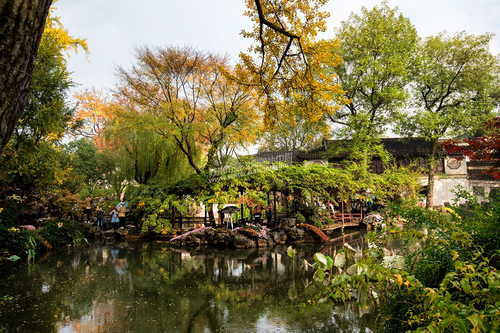
Lingering Garden
Introduction
The Lingering Garden, also known as Liuyuan Garden, is one of the most celebrated classical Chinese gardens located in the historic city of Suzhou, Jiangsu province. Renowned for its exquisite design and harmonious integration of nature and architecture, the Lingering Garden exemplifies the pinnacle of traditional Chinese garden artistry. It is one of the nine classical gardens of Suzhou that have been collectively recognized as a UNESCO World Heritage Site since 1997, epitomizing the cultural and aesthetic achievements of classical Chinese landscape gardening.
Classical Chinese gardens, such as the Lingering Garden, are designed to recreate miniature natural landscapes, offering a serene escape from the bustling world. The gardens in Suzhou are particularly noted for their delicate balance between architecture and nature, creating a seamless blend that embodies the philosophical harmony between man and the natural environment. The Lingering Garden, with its refined layout and intricate architectural features, stands as a testament to the sophisticated craftsmanship and cultural heritage of China.
History
The history of the Lingering Garden is intertwined with the rich cultural tapestry of Suzhou, a city with a legacy of garden construction dating back to the 6th century BC during the time of the Wu Kingdom.
Over the centuries, the garden underwent several renovations and ownership changes, which have each added to its unique character. The Lingering Garden's historical significance lies in its preservation of traditional gardening aesthetics and its embodiment of the cultural and philosophical ideals of its time.
Architecture
Design and Layout
The design and layout of the Lingering Garden reflect the core principles of classical Chinese garden design, characterized by intricate planning and an emphasis on harmony. The garden is divided into several themed sections, each offering a distinct experience of natural beauty and architectural elegance. The use of the "borrowed scenery" technique allows the garden to incorporate views from outside its boundaries, creating the illusion of a vast landscape within a limited space.
The layout is meticulously organized with winding pathways, strategically placed pavilions, and carefully designed rockeries and water features. These elements are harmoniously integrated to create constantly changing vistas as visitors move through the garden. The design aims to evoke the feeling of a traditional Chinese painting, with every turn offering a new and picturesque scene.
Architectural Features
The architectural features of the Lingering Garden are both functional and artistic, serving as focal points that enhance the natural beauty of the garden. The structures within the garden, including pavilions, halls, and towers, are designed in traditional Chinese styles with intricate woodwork and elegant decorations. The garden's architecture exemplifies the craftsmanship of Chinese artisans, with wooden components connected by tenon joints for enhanced flexibility and earthquake resistance.
Notable architectural elements include the elaborate stone bridges, ornamental windows, and intricately carved screens. These features not only add to the aesthetic appeal of the garden but also serve practical purposes, such as framing views and providing shelter from the elements. The architectural design reflects the cultural values of balance and symmetry, creating a serene environment that invites contemplation and appreciation of nature.
Cultural Significance
The Lingering Garden holds immense cultural significance as a representation of Chinese artistic and philosophical traditions. It embodies the concept of "Mountain and Water" gardens, which aim to replicate the grandeur of natural landscapes on a smaller scale. The garden's design and aesthetics are deeply rooted in Chinese philosophy, literature, and art, reflecting the values of harmony, balance, and the pursuit of tranquility.
As part of Suzhou's classical gardens, the Lingering Garden has been a source of inspiration for poets, painters, and scholars throughout history. It serves as a living testament to the cultural and intellectual achievements of its time, offering insights into the harmonious relationship between humans and the natural world. The garden's recognition as a UNESCO World Heritage Site underscores its importance as a cultural treasure that continues to captivate visitors with its timeless beauty.
Notable Features
The Lingering Garden is renowned for its remarkable features that exemplify the art of classical Chinese gardening. Among its most notable elements are the meticulously crafted rockeries, which are designed to mimic natural mountain landscapes. These rock formations are carefully arranged to create dramatic and picturesque scenes, enhancing the garden's overall aesthetic.
Another prominent feature is the garden's collection of water elements, including ponds and streams, which add a sense of tranquility and reflection to the environment. The water features are skillfully integrated with the surrounding architecture and plantings, creating a harmonious and serene atmosphere.
The garden is also home to a diverse array of plant species, including ancient trees, flowering shrubs, and ornamental plants. The careful selection and arrangement of vegetation contribute to the garden's changing seasonal beauty, providing visitors with a dynamic and ever-evolving experience.
Conservation and Preservation
The conservation and preservation of the Lingering Garden are of paramount importance to maintain its historical and cultural integrity. Recognizing the challenges posed by environmental factors and the passage of time, efforts have been made to protect and restore the garden's structures and landscapes. The Suzhou government, along with various heritage organizations, has implemented measures to ensure the garden's longevity and accessibility to the public.
Restoration projects have focused on preserving the original design and materials, with careful attention to historical accuracy and craftsmanship. Modern techniques and scientific research have been employed to address issues related to structural stability, water management, and visitor impact. Through these concerted efforts, the Lingering Garden continues to offer a glimpse into China's rich cultural heritage and remains a cherished symbol of classical Chinese garden art.








